
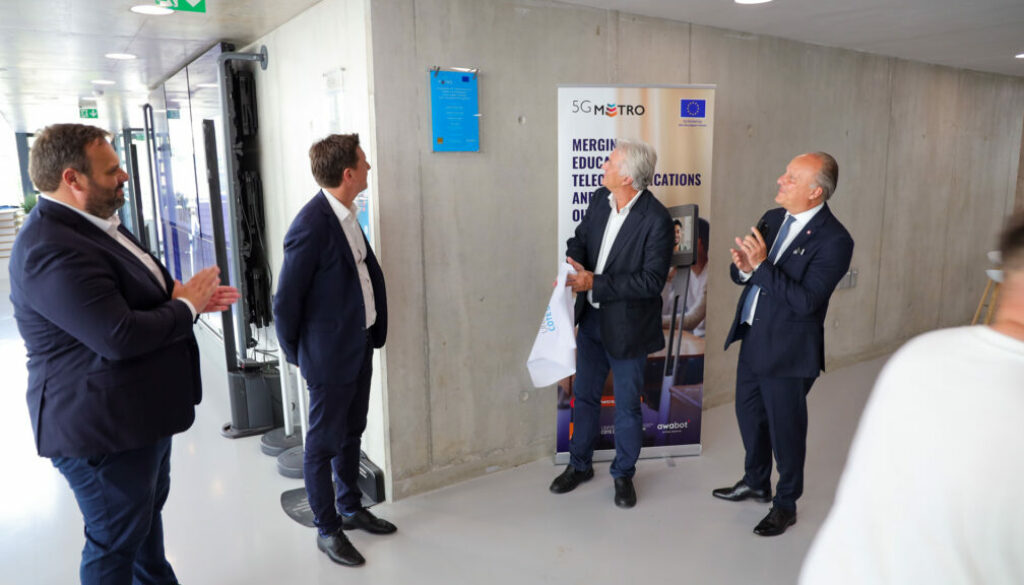
The IMREDD inaugurates its private hybrid 5G network for inclusion, innovation, and research
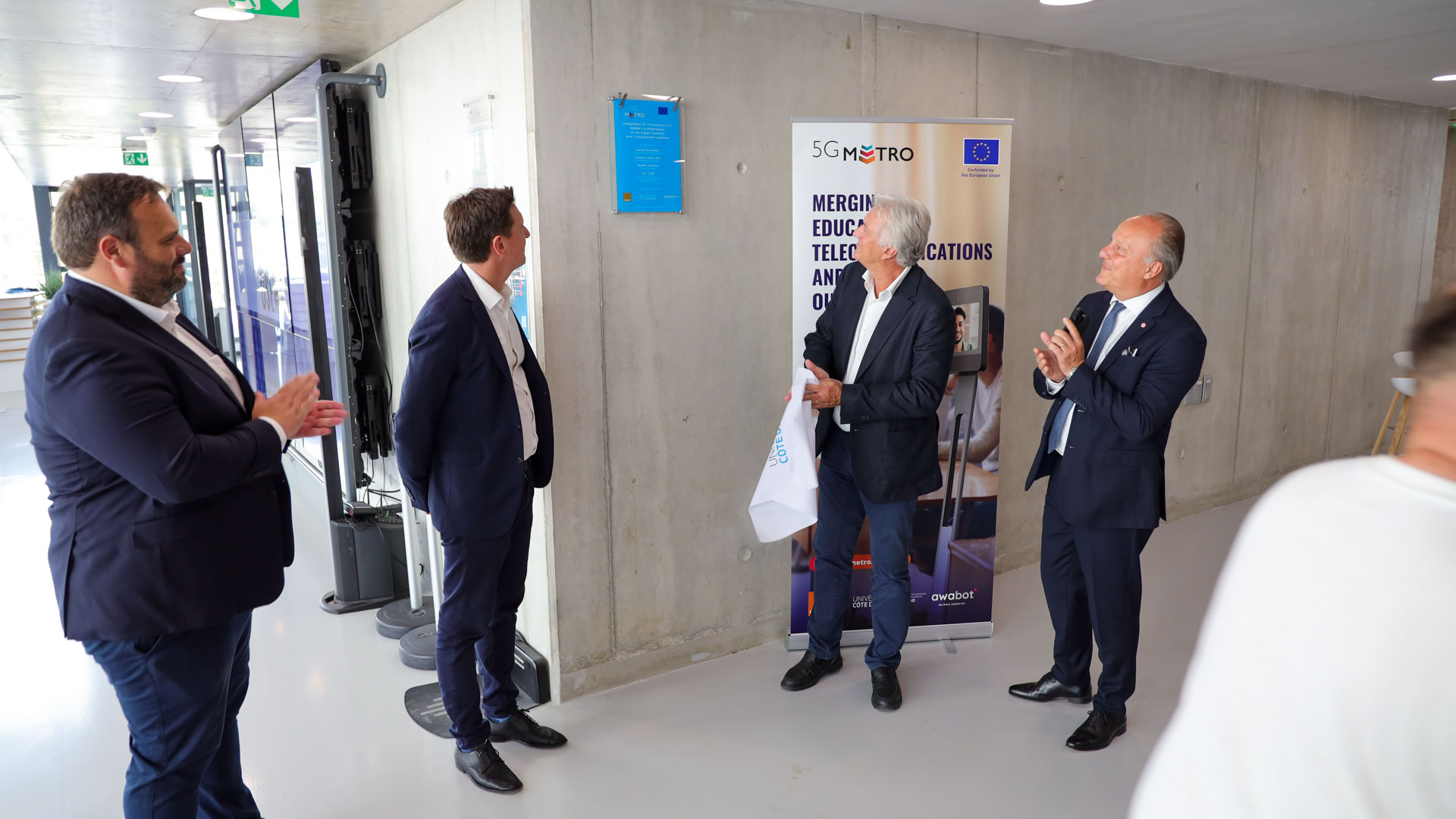
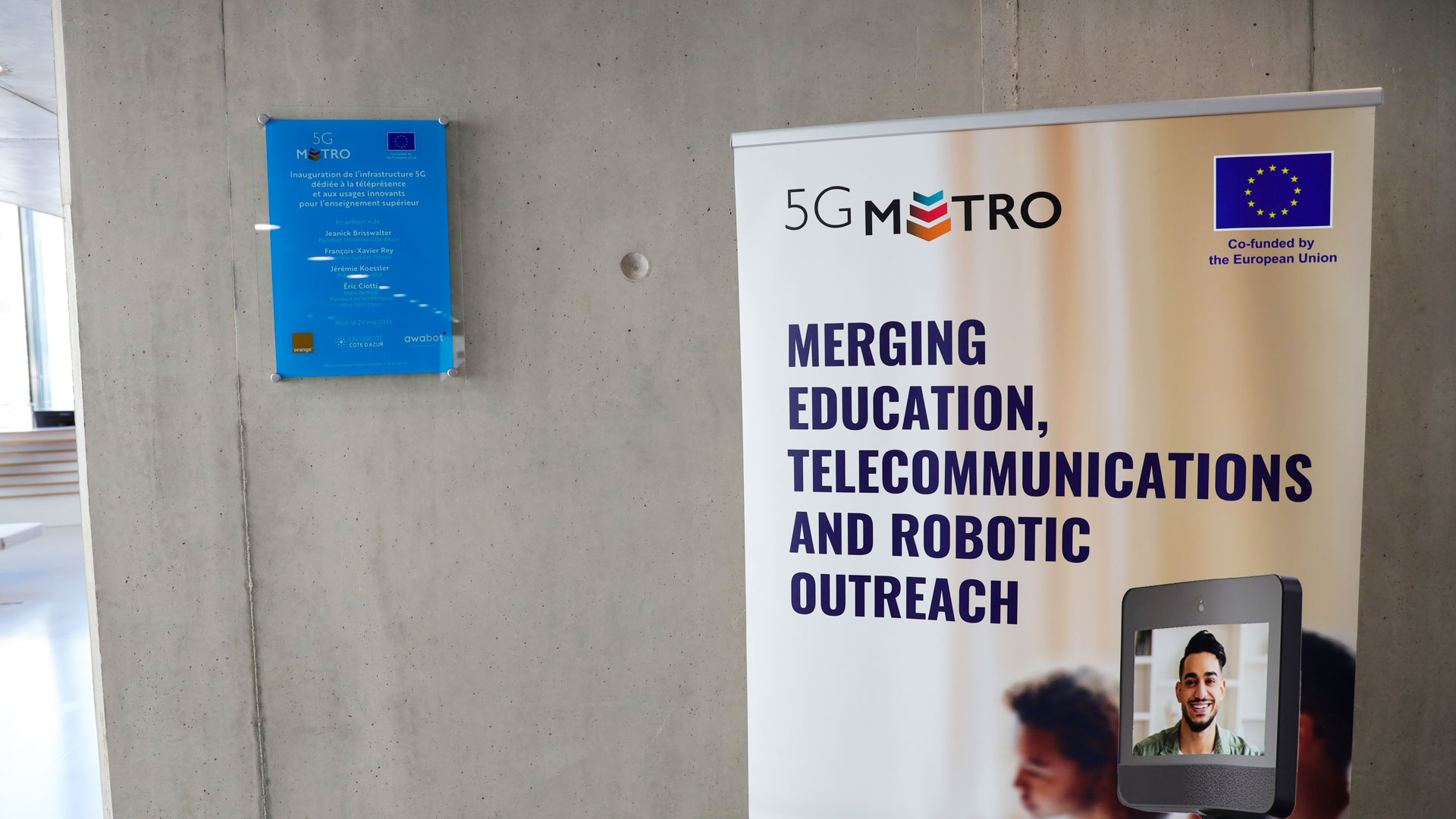
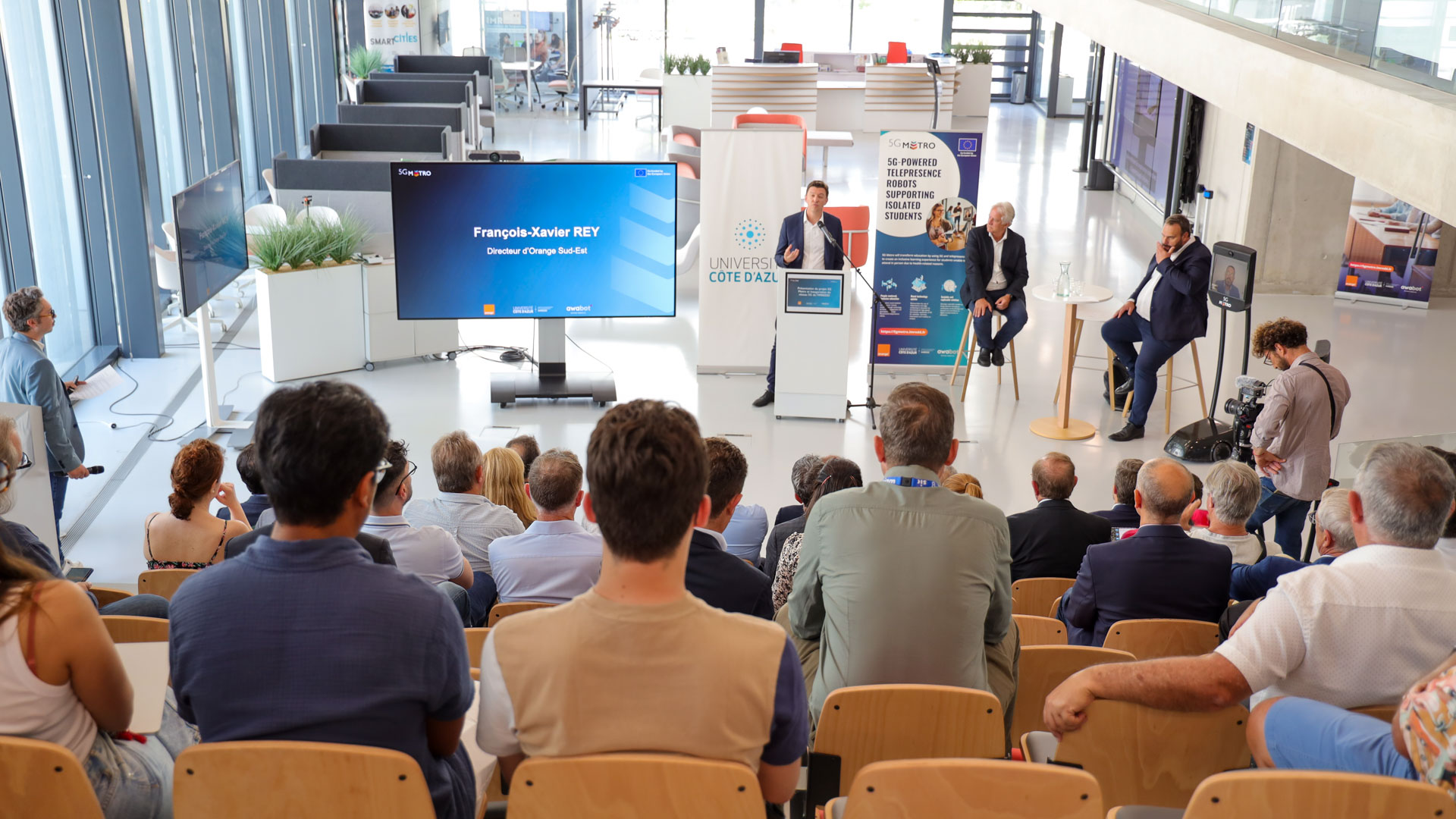
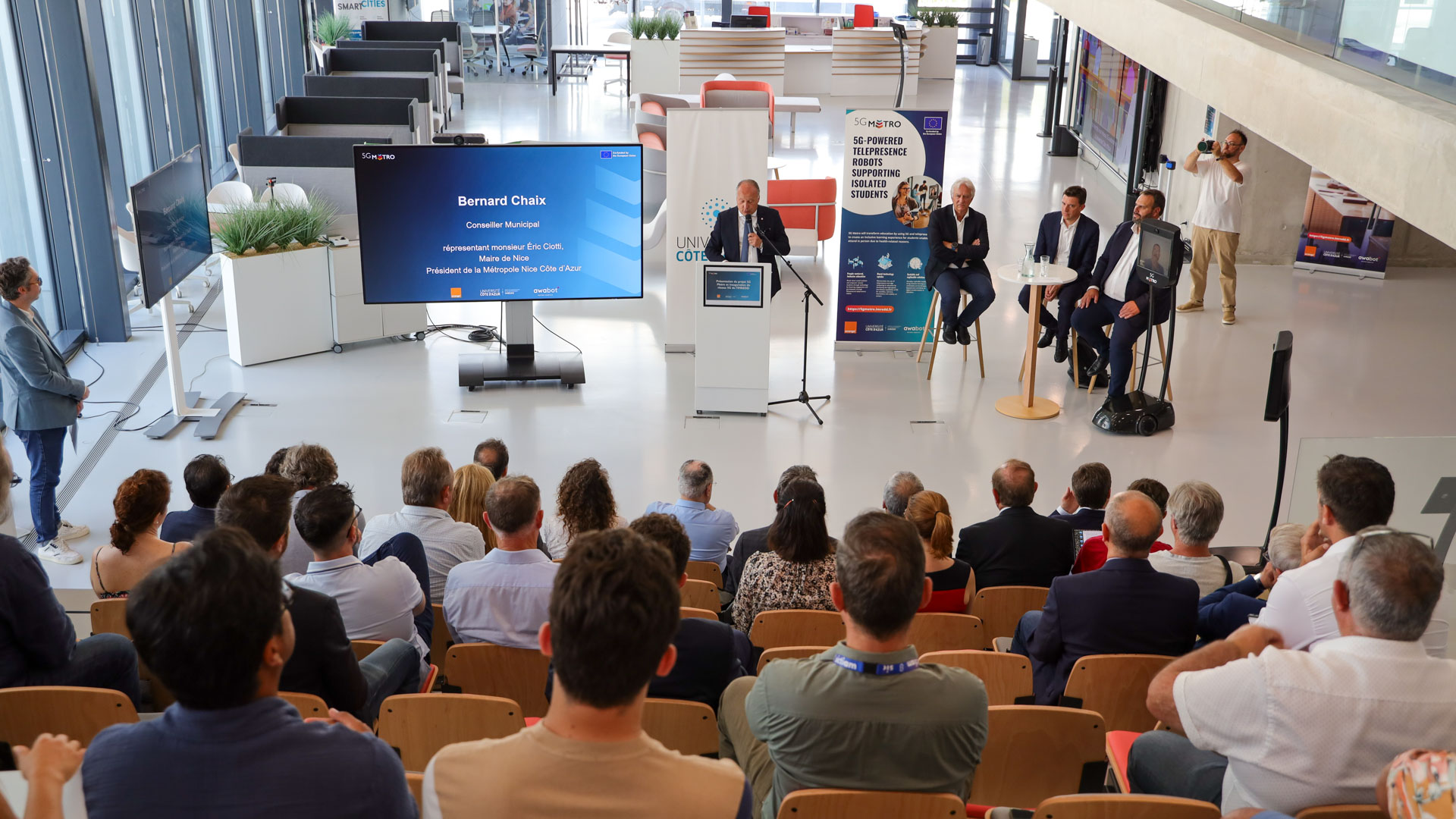
On 29 May 2026, IMREDD officially inaugurated its hybrid private 5G network deployed as part of the European project 5G Metro. This innovative infrastructure, a first in France and a pioneering initiative for European higher education, opens up new prospects for the inclusion of disabled students, while strengthening the region's experimentation and research capabilities around the advanced uses of 5G.
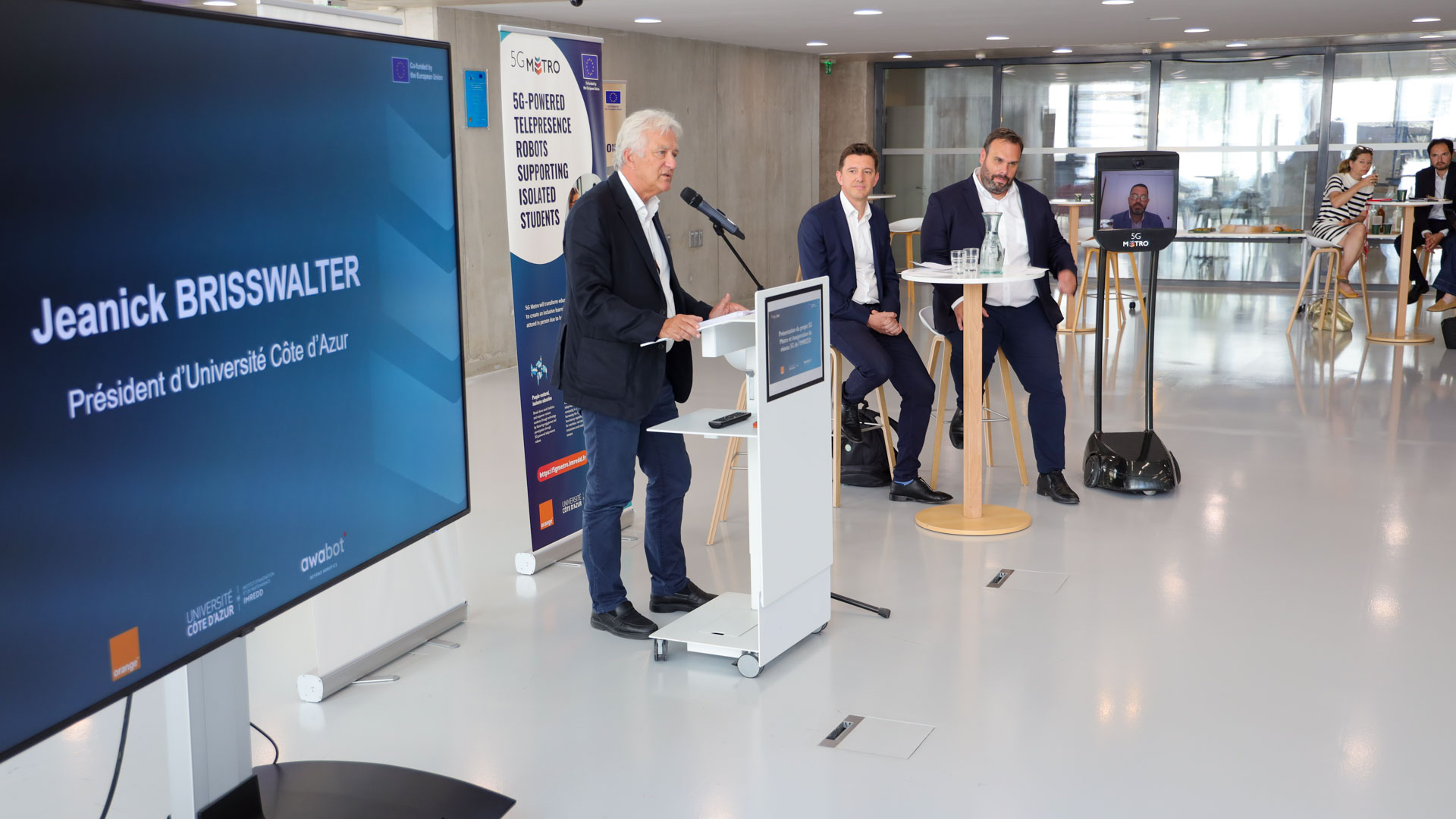
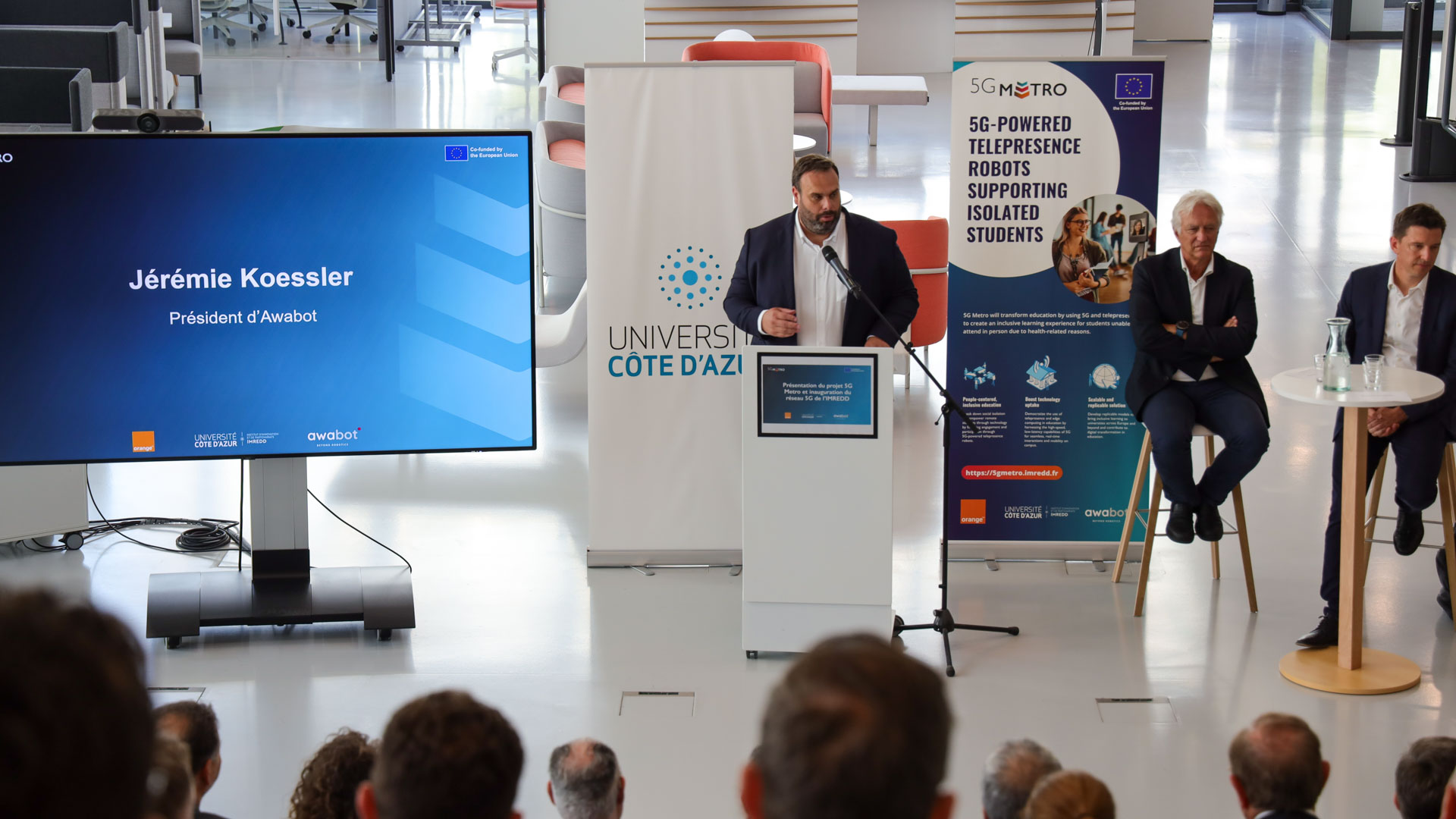
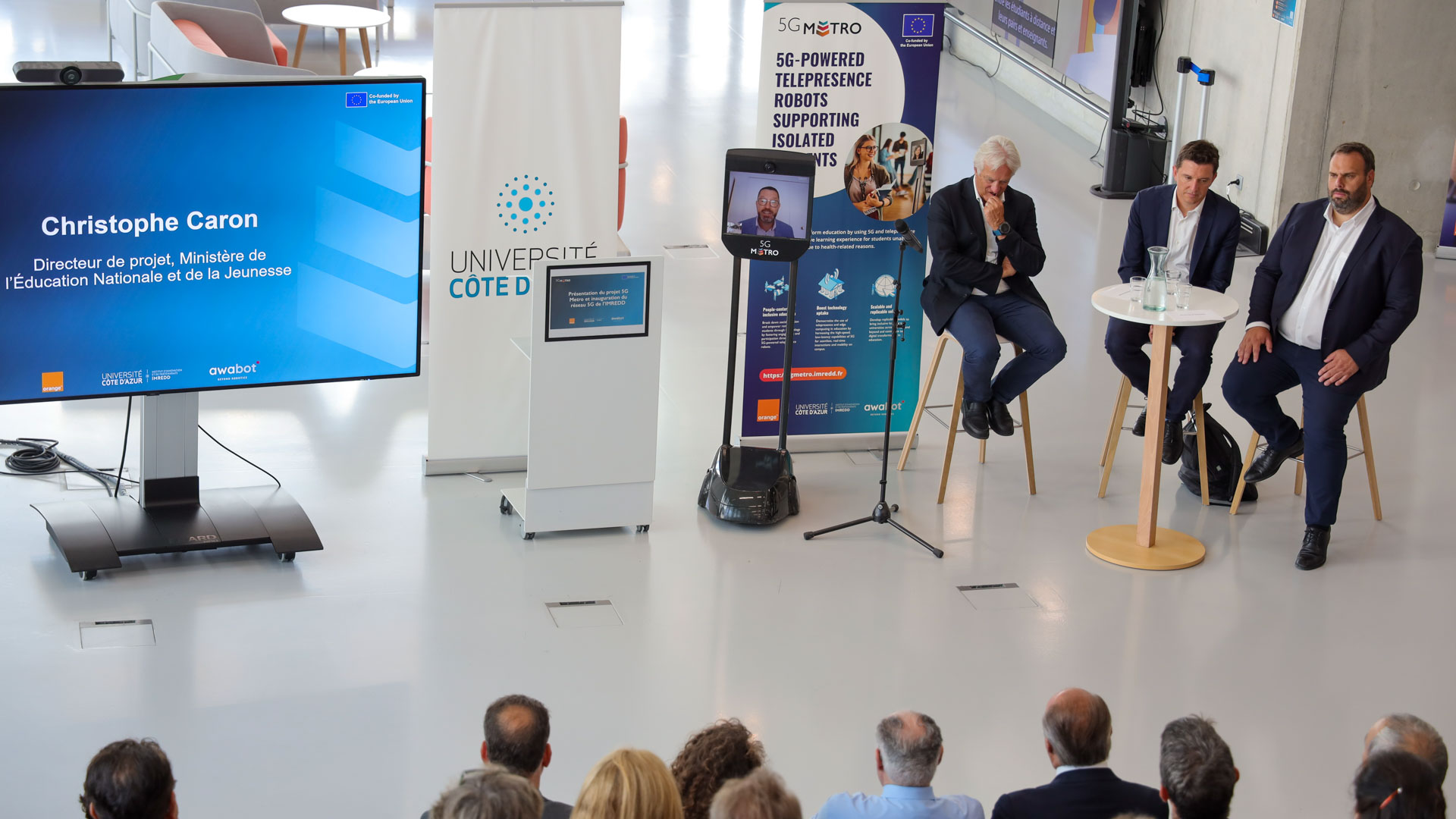
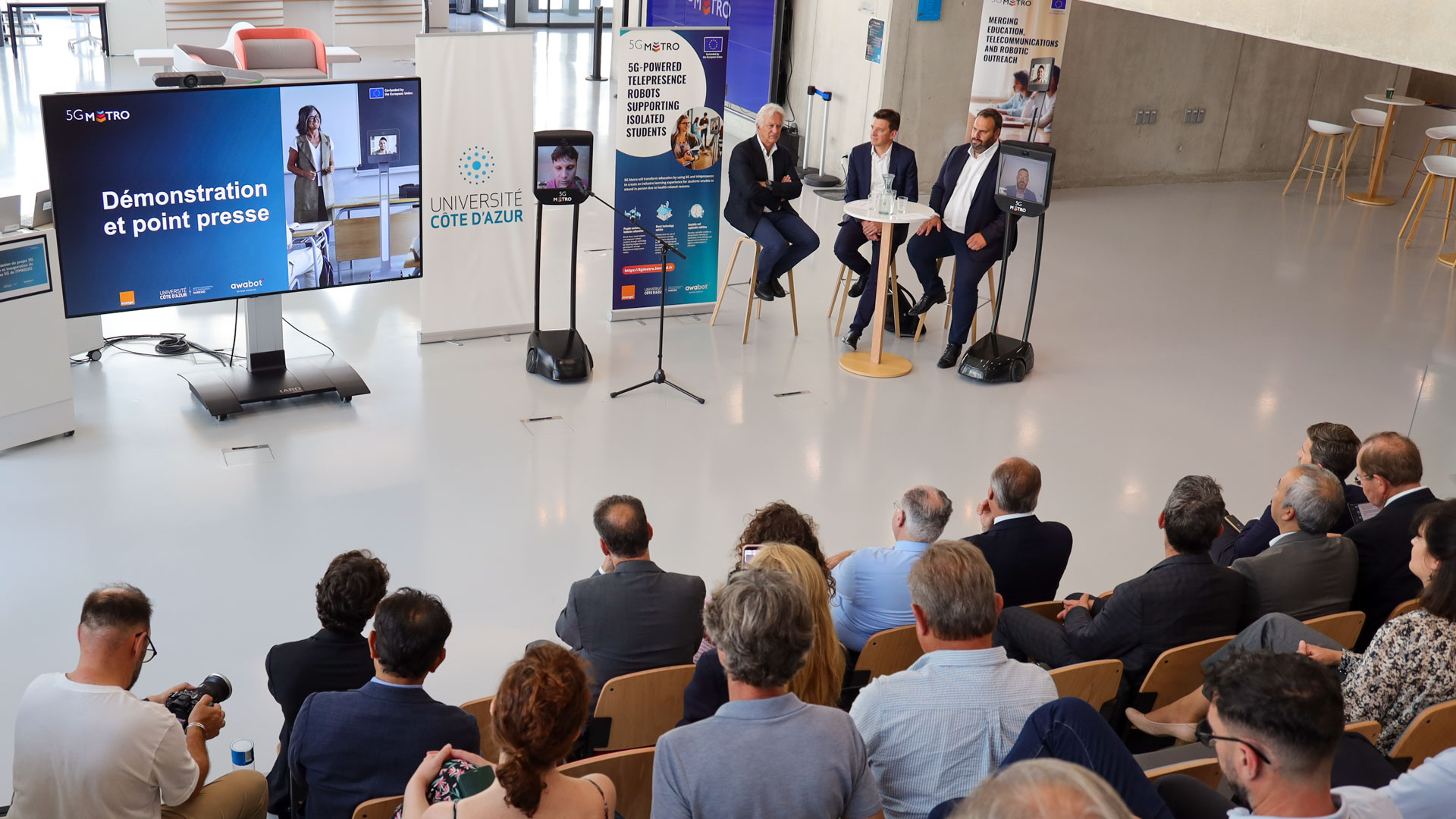
The ceremony was held in the presence of Jeanick Brisswalter, President of Université Côte d’Azur, François-Xavier Rey, Director of Orange Sud-Est, Jérémie Koessler, President of Awabot, as well as Bernard Chaix, Municipal Councillor representing Éric Ciotti, Mayor of Nice and President of the Nice Côte d’Azur Métropole.
An infrastructure for inclusion
Deployed at IMREDD as part of the European project 5G Metro (Merging Education, Telecommunications and Robotics Outreach), this hybrid private mobile network has been designed to address a major challenge: enabling students who are unable to attend due to hospitalisation, disability, or any other situation limiting their mobility, to participate in university life as if they were physically present.
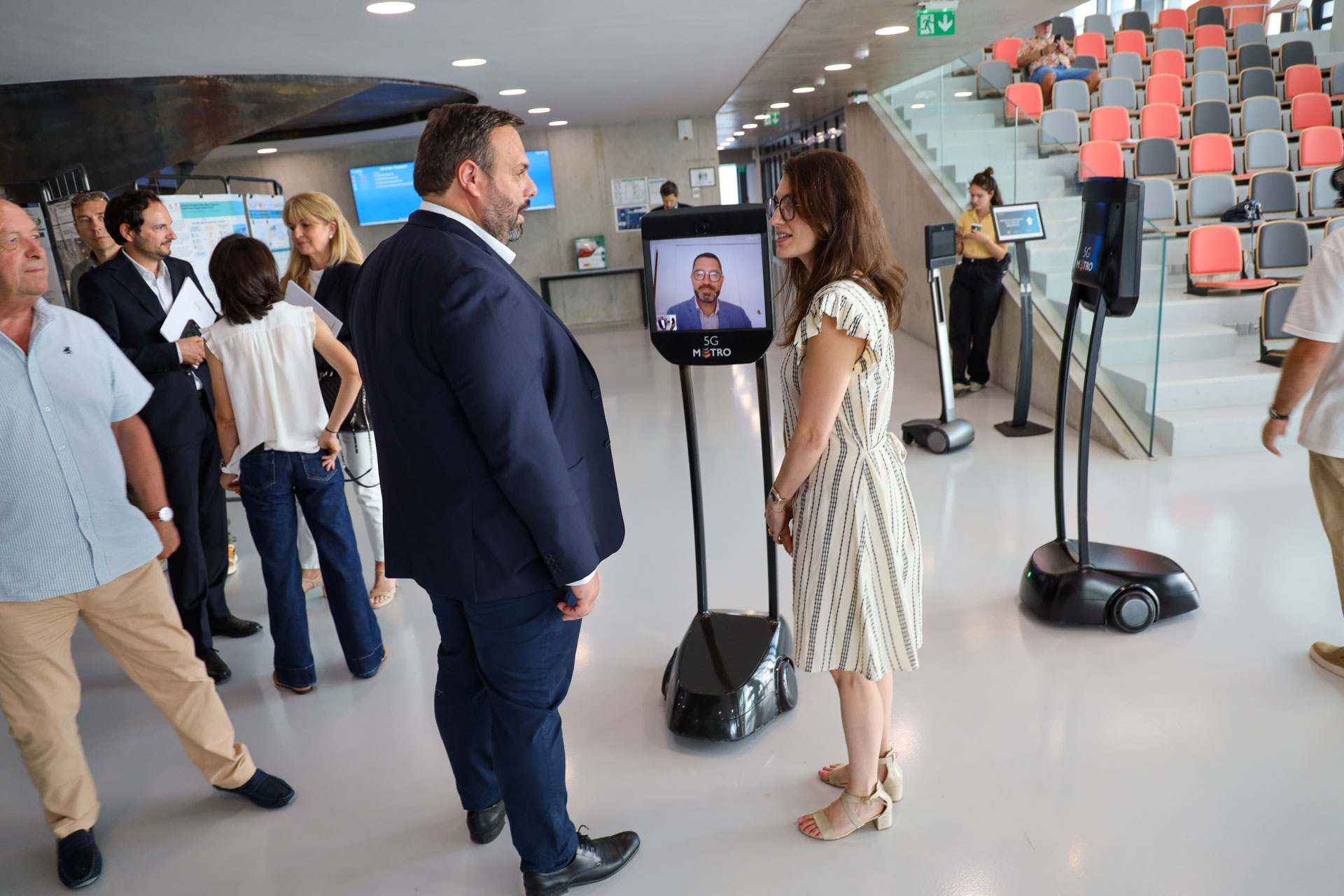
To achieve this, the project uses telepresence robots developed by Awabot. Connected to the 5G network, these robots allow remote users to attend classes, interact with teachers and other students, and also move freely around the university buildings.
Beyond simple video conferencing, this approach aims to recreate a true sense of remote presence, fostering both pedagogical continuity and social connection.
One message particularly marked the discussions during the inauguration: The quality of connectivity directly determines the quality of inclusion.. When technology becomes fluid and fades into the background, students with disabilities can become students like any other. The network inaugurated at IMREDD has precisely the purpose of making this experience possible.
France's first hybrid private 5G network
The inaugurated infrastructure is based on a hybrid mobile private network (MPNH) deployed by Orange. This architecture allows the benefits of public and private networks to be combined to ensure reliable, secure, and low-latency communications.
These features are essential for mobile telepresence applications, which require real-time data exchange and a consistent quality of service to ensure a smooth user experience.
This achievement represents a first in France and a pioneering initiative within the European higher education sector. It makes IMREDD a unique experimental ground for digital uses requiring advanced connectivity performance.
A demonstrator for the digital uses of tomorrow
Beyond its application to inclusive education, this network constitutes a genuine technological demonstrator for innovation and research.
It offers a unique experimentation environment for testing new 5G-based digital services, whether it be robotics, connected objects, virtual reality, or other applications requiring high-performance and secure communications.
The infrastructure will thus be able to contribute to the development of solutions for other sectors such as healthcare, smart buildings, or public services. In this sense, it strengthens the role of IMREDD as an open innovation platform serving digital and societal transitions.
The 5G Metro Project
Co-funded by the European Union, the 5G Metro project brings together Université Côte d’Azur, Orange and Awabot with a common goal: to demonstrate how next-generation 5G networks can foster a more inclusive society while creating new opportunities for innovation.
Through this experiment, the partners wish to build a reproducible model in other European universities and, more broadly, in public buildings that cater to both the general public and professional users requiring reliable, secure, and high-performance connectivity.

 Français
  English (UK)